
William Chester Minor’s Life from Promise to Confinement
The Surgeon of CrowthorneThis thread follows William Chester Minor from a gifted childhood through military service, mental illness, confinement, and the late-life return that preceded his death.
increasing Bearing strength in each event
 decreasing
Bearing strength in each eventdecreasingMissionary Childhood
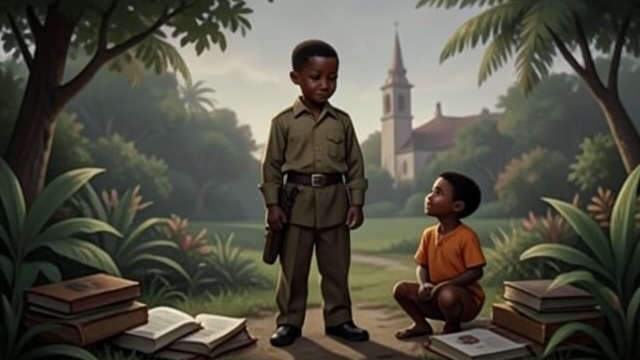
A Childhood Between Worlds
Early formation
Born in Ceylon to missionary parents, William Chester Minor grew up amid upheaval and loss. His mother died when he was three, and his father later remarried, leaving William’s childhood shaped by changing family ties and unfamiliar surroundings.
Languages and learning
The mission school and household gave him an unusually broad education. He learned local languages as well as English, and left for New Haven as a teenager, carrying a deep curiosity that would remain central to his life.
Medical Ambition
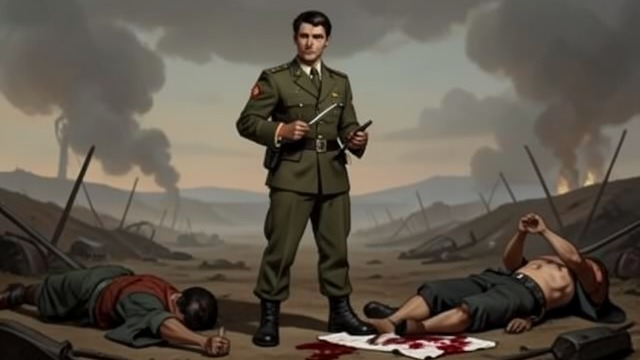
A Surgeon in Wartime
Service begins
After studying medicine at Yale, William Chester Minor joined the Union Army during the U.S. Civil War. He had sought active service, but the work of a young surgeon brought him into contact with battlefield suffering and the limits of contemporary medicine.
Advancement and strain
Minor moved from contract medical work into a regular commission, earning professional respect through diligence. Yet his wartime experiences, alongside personal vulnerabilities the book cannot definitively disentangle, formed part of the troubled history that preceded his later breakdown.
Paranoia and Exile
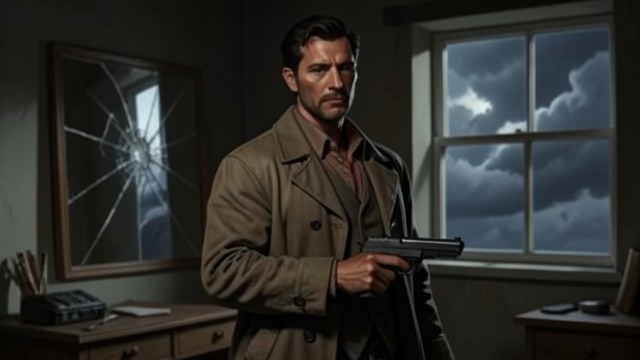
A Mind Under Siege
Signs of illness
By 1868, army doctors judged Minor seriously unwell, describing delusions that had become both suicidal and homicidal. He entered the Government Hospital for the Insane, but his condition did not resolve; after retirement from the army, he travelled to England hoping to recover.
Confinement begins
In London, Minor’s conviction that persecutors were entering his rooms culminated in the fatal shooting of George Merrett. A jury found him not guilty by reason of insanity, and he was sent to Broadmoor, where his military life gave way to decades of institutional confinement.
Work Within the Asylum
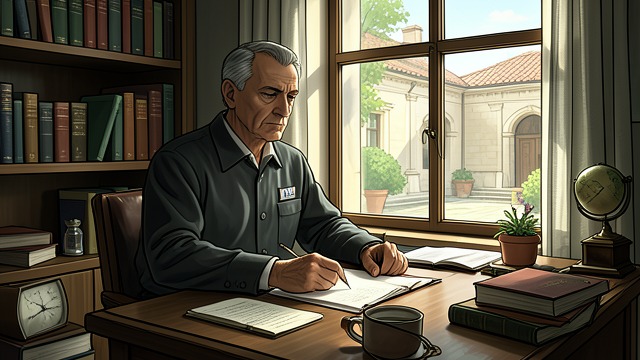
A Scholarly Life in Confinement
A new purpose
At Broadmoor, Minor had books, writing materials, and considerable time, but his freedom remained sharply bounded by the asylum walls. When he encountered James Murray’s appeal for volunteer readers, lexicography offered a demanding intellectual purpose and a way to contribute beyond his cell.
Sustained contribution
Minor built indexes of words from his books and supplied requested quotations to the dictionary editors, often with extraordinary precision. The work did not cure his illness, but it gave structure to his days and connected his secluded existence to a major scholarly undertaking.
Return and Final Years
The Journey Home
Release from Broadmoor
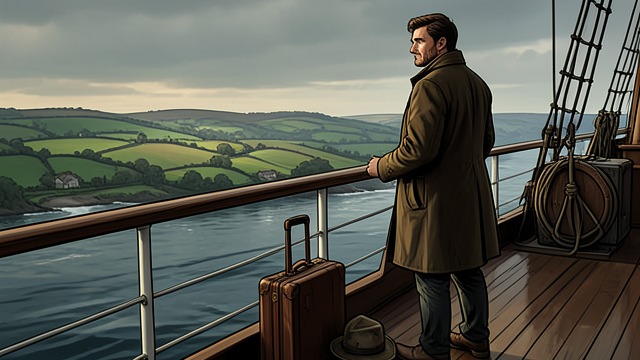
In 1910, after nearly four decades at Broadmoor, Minor was conditionally discharged and required to leave Britain. His brother Alfred Minor assumed responsibility for him, and Minor crossed the Atlantic aboard the SS Minnetonka before entering St Elizabeths Hospital.
Decline and remembrance
Minor’s mental illness and physical frailty continued, and later he was moved to The Retreat in Connecticut. He died in 1920, having outlived James Murray and the years of their collaboration; his name remained in the dictionary record, while his grave offered little indication of the work that had made him memorable.
1834–1848, in Ceylon
1863–1866, during and after the U.S. Civil War
1868–1872, from army retirement to Broadmoor
Early 1880s–1902, at Broadmoor
1910–1920, from release to death
